
📋 Everything In This Guide
What Dubai Is — and Who It’s For
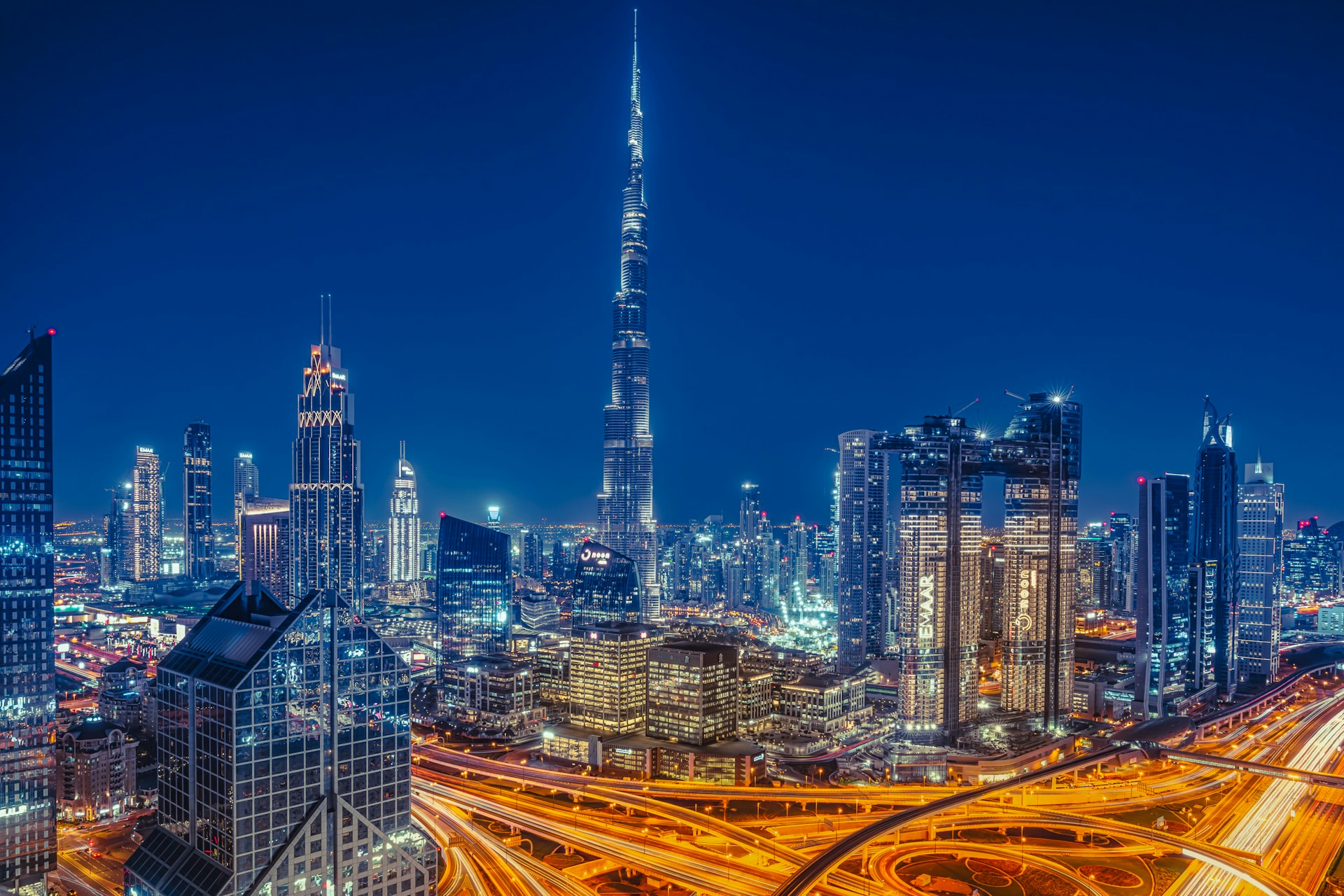
Fifty years ago Dubai was a modest pearling and trading town clustered around a saltwater creek. Today it’s a city of close to 3.7 million people, a global aviation hub, and the place that gave the world the tallest building, some of the largest malls, and an entire archipelago shaped like a palm tree.
What surprises most first-time visitors isn’t the skyline — you’ve seen that in photos. It’s how international the place feels. Around 85% of Dubai’s residents are expatriates, with huge Indian, Pakistani, Filipino, Egyptian, British and Emirati communities living side by side, and English as the common language. You can eat a Keralan thali, a Lebanese mezze and a wagyu steak within a single block, and the call to prayer drifts over all of it five times a day.
That mix is the real character of Dubai. The futuristic stuff is the headline, but the texture comes from the spice souks of Deira, the abra boats crossing the Creek for a single dirham, and the Friday brunches that have become a citywide ritual.
It works for a remarkably wide range of travellers: families love the theme parks and beaches, couples come for the resorts and the desert, luxury travellers are spoiled for choice, and budget travellers can do the city on a backpacker’s budget if they’re smart. It’s also one of the easiest first international trips you can take — crime is very low, the infrastructure is excellent, and almost everyone speaks English.
Best Time to Visit Dubai
This is the single most important decision you’ll make, because Dubai’s weather swings from glorious to genuinely dangerous depending on the month. Get this right and everything else falls into place.
Season by Season
- Winter (Nov–Mar) — the sweet spot: A comfortable 24–30°C, cool evenings, and the whole city outdoors — beach clubs, rooftops, desert camps, every seasonal attraction open. The trade-off is peak prices and crowds, especially late December to January.
- Spring (Apr–May) — the smart shoulder: April is lovely; May climbs through the 30s into the low 40s but is still workable with early starts. Crowds thin, prices soften. Arguably the best value-to-weather window.
- Summer (Jun–Sep) — bargain hunters only: 40–48°C and brutal humidity. Walking between sights is uncomfortable to unwise at midday. But five-star resorts go remarkably cheap, and the city leans hard into malls, aquariums, indoor ski and spas.
- Autumn (Oct) — the rising shoulder: The mirror image of May — hot early, easing to pleasant by month’s end, before prices fully spike. A good under-the-radar choice.
| Season | Weather | Crowds | Hotel prices | Best for |
|---|---|---|---|---|
| Winter (Nov–Mar) | 24–30°C, ideal | High | Highest | First-timers, outdoor everything |
| Spring (Apr–May) | 30–42°C, warm | Moderate | Moderate | Value + decent weather |
| Summer (Jun–Sep) | 40–48°C, harsh | Low | Lowest | Luxury bargains, indoor trips |
| Autumn (Oct) | 30–38°C, easing | Low–Mod | Rising | Quiet shoulder season |
Dubai Month by Month
A quick, honest read on every month — what the weather does, how busy it gets, and what’s actually on. In short: the cooler months (November to March) are prime, the shoulders are good value, and high summer is for indoor-and-pool trips only.
| Month | Typical temp | Vibe & what’s on |
|---|---|---|
| January | 14–24°C | Peak season, glorious weather, Dubai Shopping Festival in full swing. Busy and pricey, but the best all-round month. |
| February | 15–25°C | Still ideal and slightly calmer than January. Great for outdoor everything; Ramadan may begin late in the month in 2026. |
| March | 17–28°C | Warm, lovely, and home to the Dubai World Cup horse racing. The last of the comfortable peak weather. |
| April | 21–33°C | Warming fast but still pleasant early in the day. Crowds and prices ease — a smart shoulder month. |
| May | 26–38°C | Hot. Mornings outdoors, afternoons indoors. Good value, and seasonal outdoor parks start to close. |
| June–August | 30–48°C | Brutal heat and humidity. Cheapest five-star rates of the year; an indoor, pool-and-mall trip only. |
| September | 29–40°C | Still very hot but beginning to ease late in the month. Low crowds, low prices. |
| October | 24–36°C | Cooling into pleasant territory by month’s end; outdoor season reopens. A quiet, good-value pick. |
| November | 20–31°C | Excellent weather returns, and Global Village and the Miracle Garden reopen. Prices start climbing. |
| December | 15–26°C | Cool, festive and spectacular — but New Year around the Burj Khalifa is the busiest, priciest window of all. |
How to Reach Dubai
Visa — the short version
- Visa on arrival: Citizens of the UK, EU, US, Canada, Australia, New Zealand and many others get a free visa on arrival, typically for 30 or 90 days.
- Pre-arranged e-visa: Travellers from countries like India can enter on arrival if they hold a valid US, UK or EU visa or residence permit; otherwise a pre-arranged e-visa is required, easily handled online or through your airline.
- Passport validity: generally at least six months. Overstaying carries daily fines, so note your visa length on arrival.
- Always confirm the current rule for your passport with an official source before booking — entry policies change.
Getting around the city
Metro & Tram
- Driverless, spotless, cheap and air-conditioned
- Red Line runs along Sheikh Zayed Road past Downtown, Marina and the airport
- Buy a rechargeable Nol card at any station
- Tram loops through Marina and JBR
Taxi, Careem & Uber
- Cream-coloured RTA taxis are metered and honest
- Careem and Uber both operate city-wide
- For 3–4 people, often cheaper than separate metro fares
- Best way to reach the Palm, beaches and desert
Monorail & Abra
- Monorail runs out along Palm Jumeirah to Atlantis
- Traditional abra water taxis cross Dubai Creek
- An abra crossing costs a single dirham
- One of the most charming few minutes in the city
Where to Stay in Dubai
Dubai isn’t a city you can walk across, so your choice of neighbourhood shapes the whole trip. The big question is simple: do you want the skyline and sights (Downtown), the beach and buzz (Marina, JBR), resort seclusion (Palm Jumeirah), or old-city character and value (Deira, Bur Dubai)?
The Areas, Honestly
- Downtown Dubai — best for first-timers: Home to the Burj Khalifa, Dubai Mall and the Fountain. You can walk to the icons and the metro is right there. Central, premium-priced, not on the beach.
- Dubai Marina — best for couples & young travellers: A waterfront forest of towers with a promenade, restaurants, cruises and nightlife; JBR beach is a short tram ride away. Lively and walkable.
- Palm Jumeirah — best for resort luxury: Private beaches, big-name resorts and serious romance — but isolated, and getting on and off takes time. Perfect for a do-nothing beach break.
- JBR — best for families & beach lovers: Right on the sand with The Walk and The Beach — relaxed, lively and made for families, without the Palm’s price tag.
- Deira — best for budget & old-Dubai character: The historic heart, with the Gold and Spice Souks, cheap eats and a grittier energy. Far cheaper; not a beach base.
- Business Bay — best for value near the centre: Newer hotels just south of Downtown along the canal, often a notch cheaper than equivalent Downtown rooms.
- Al Barsha — best for mid-range & metro access: Practical and well-priced, next to Mall of the Emirates and right on the metro, roughly halfway between Marina and Downtown.
🏨 Dubai Hotels — Compare by Budget
A hand-picked spread of real stays across Downtown, the Marina, the Palm and Deira, with indicative starting rates (they swing hard by season and over New Year). Filter by category, then tap Book Now to compare live prices.
The landmark resort at the tip of the Palm — the Aquaventure waterpark, the Lost Chambers aquarium, a private beach and a wall of dining, with the famous underwater suites for the big splurge.
A polished five-star in the heart of Downtown with direct Burj Khalifa and Fountain views, an infinity pool and walkable access to the Dubai Mall — the address for the postcard.
The wave-shaped beachfront classic with Burj Al Arab views, a private beach, free access to the Wild Wadi waterpark and one of the best family set-ups in the city.
The pick of Dubai’s mid-range scene — a fun, design-led hotel within walking distance of the Burj Khalifa, with a pool, gym and 24-hour cafe at a genuinely fair price.
A reliable, comfortable mid-ranger steps from the Mall of the Emirates and its metro station — an easy, well-priced base halfway between the Marina and Downtown.
A dependable, sociable budget-plus hotel in old Bur Dubai — comfy rooms, a rooftop pool and a popular bar, walkable to the Textile Souk and the abra stations.
Exactly what you want for a stopover or an early flight — spotless, quiet, well-priced rooms with a pool, a short hop from the airport and the metro into the city.
A simple, well-run budget hotel next to a major mall and metro station in old Deira — compact, clean rooms and unbeatable value for exploring the souks and the Creek.
The rare affordable beach option — a bright, modern Rove steps from La Mer’s sand and eateries, with a rooftop pool and that reliable Rove value, near the city’s nicest public beach.
The Best Things to Do in Dubai
Here are the experiences worth your time, with practical notes on each — including the ones we’d happily skip. Book the popular ones online in advance; it’s cheaper and saves you queuing in the heat.
Burj Khalifa — go, but go smart
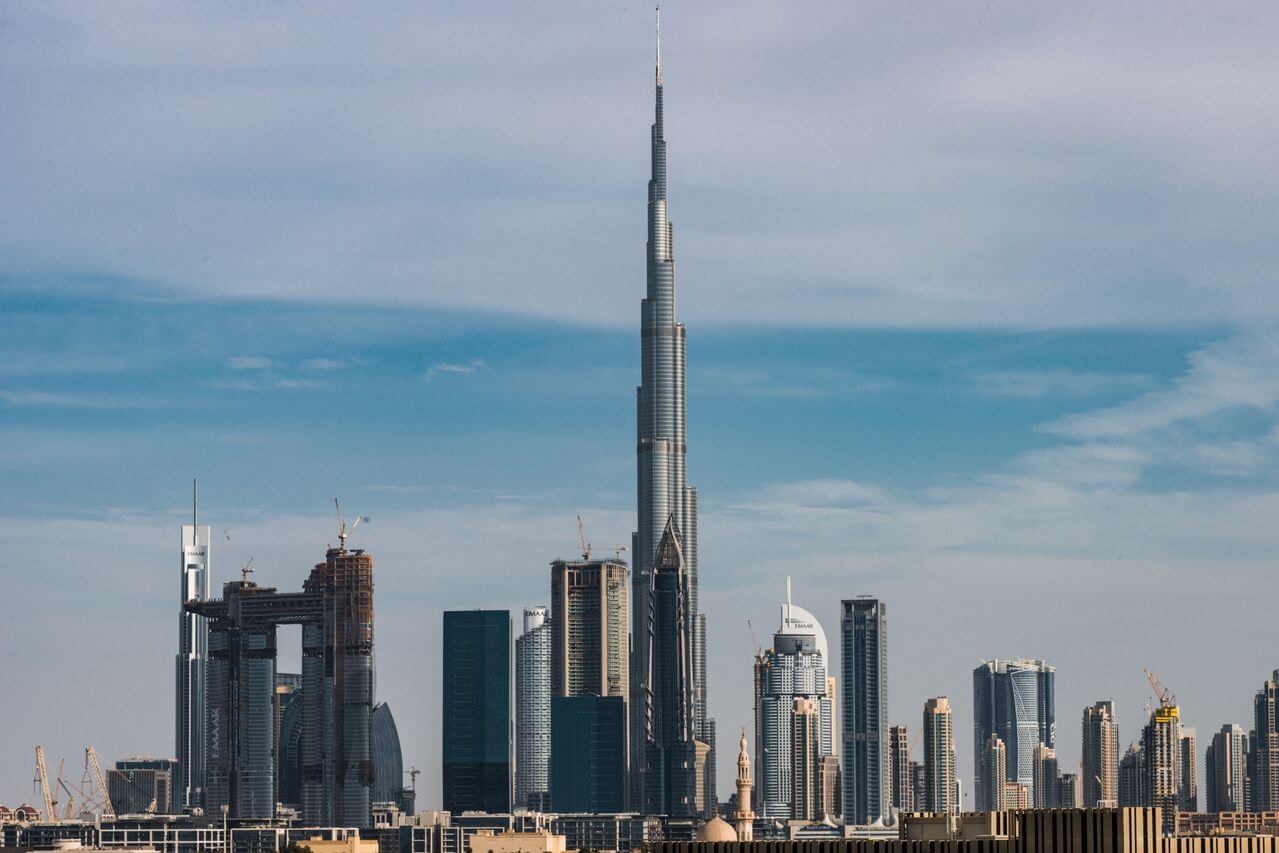
The world’s tallest building is genuinely worth it. The standard “At the Top” deck on floors 124–125 costs around AED 169 off-peak, rising sharply for sunset “prime hours” and for the higher 148th-floor experience (AED 400+). Book online days ahead and choose a sunset slot — you get daylight, golden hour and the city lit up in one visit.
A desert safari — the quintessential Dubai day
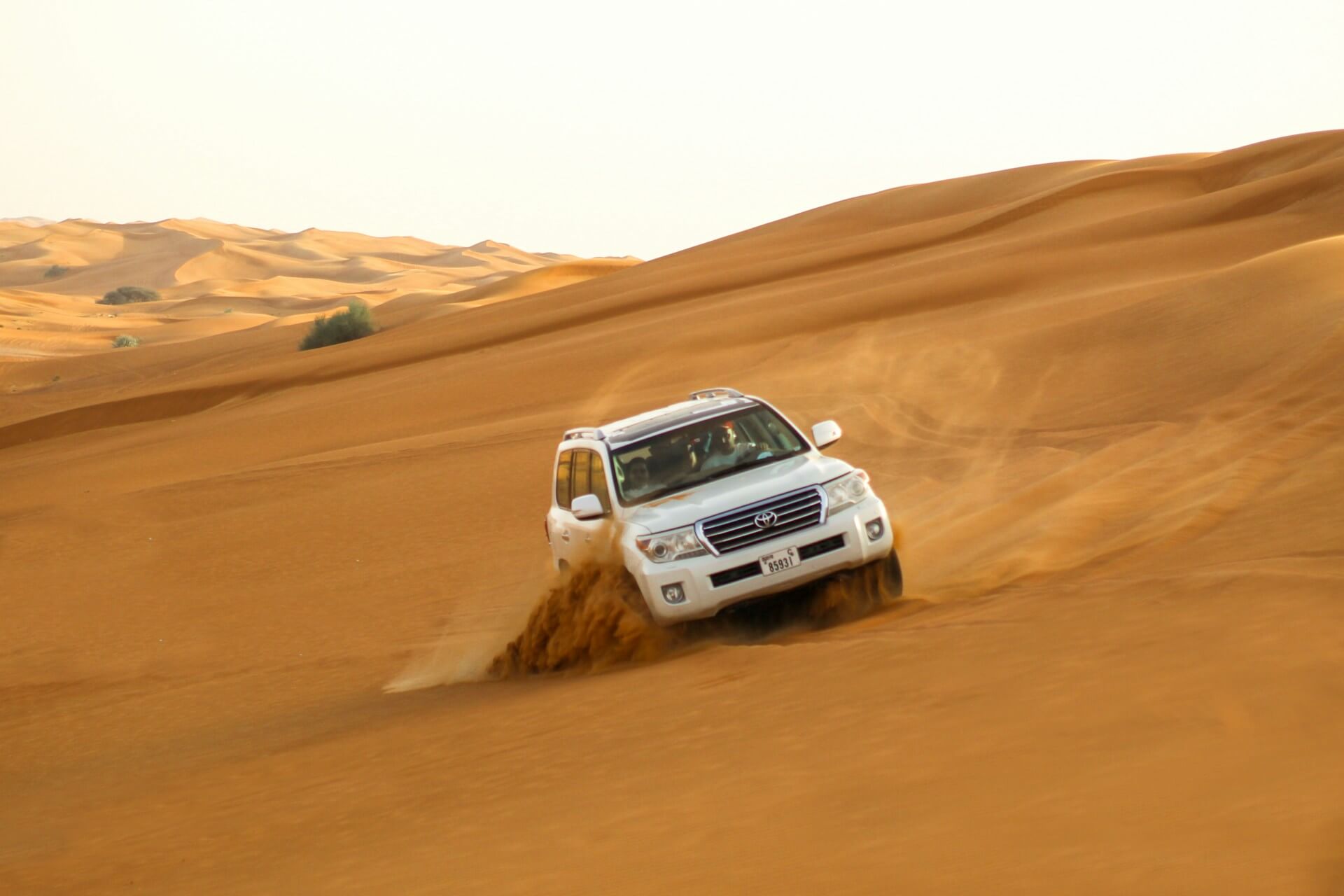
If you do one thing beyond the skyline, make it this. A classic evening safari includes dune bashing in a 4×4, a camel ride, sandboarding, a barbecue dinner and live entertainment under the stars, for roughly AED 150–300. The cheap mass-market versions can feel like a conveyor belt; pay a bit more for a smaller operator, or go premium with a conservation-led company (Platinum Heritage runs vintage Land Rover trips from around AED 600) for a calmer, classier evening.
Old Dubai — Al Fahidi, the Creek & the souks
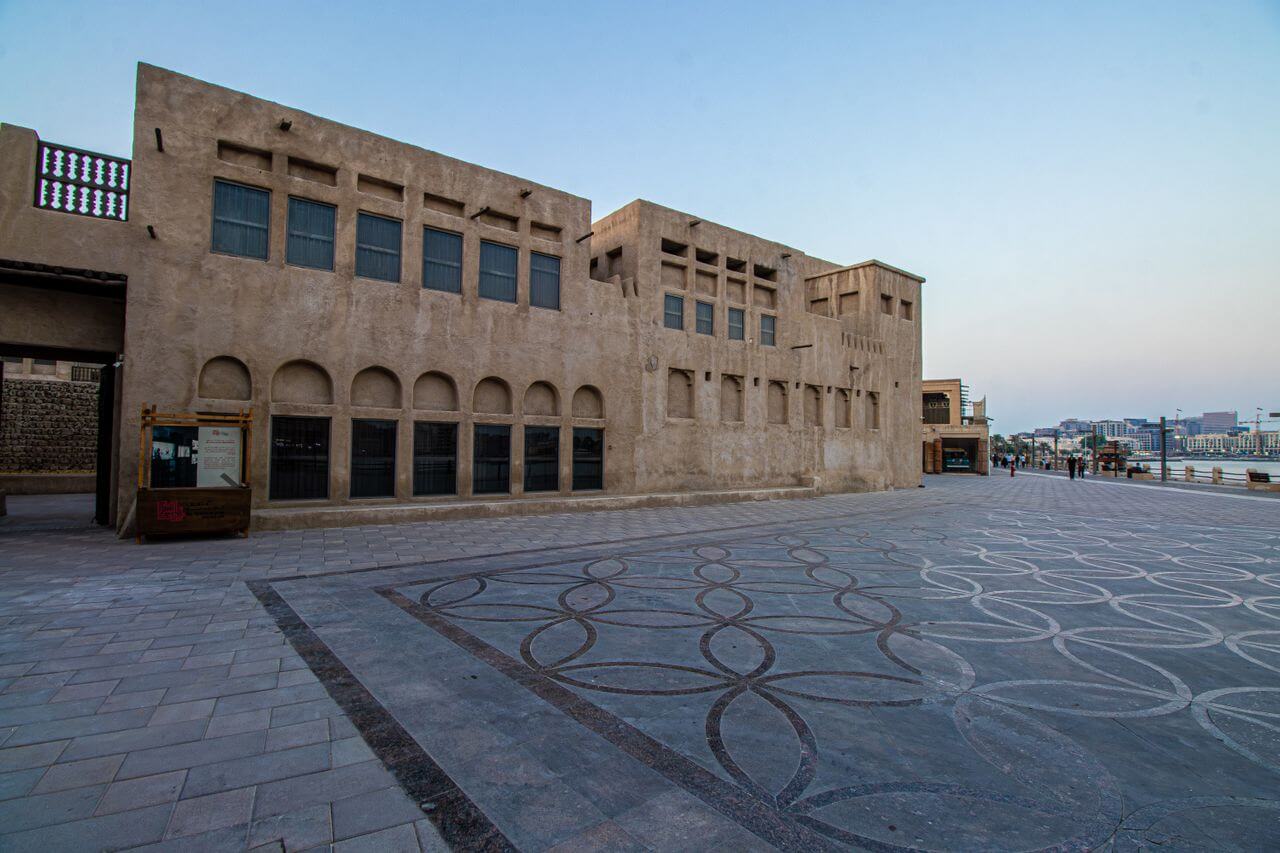
Spend a morning where the city began. Wander the restored wind-tower lanes of the Al Fahidi Historical District (free), cross Dubai Creek on a one-dirham abra, and dive into the Gold and Spice Souks in Deira. Have an Emirati lunch and a cultural conversation at the Sheikh Mohammed Centre for Cultural Understanding. This half-day gives your trip the soul the skyscrapers can’t.
The Dubai Fountain & Dubai Mall
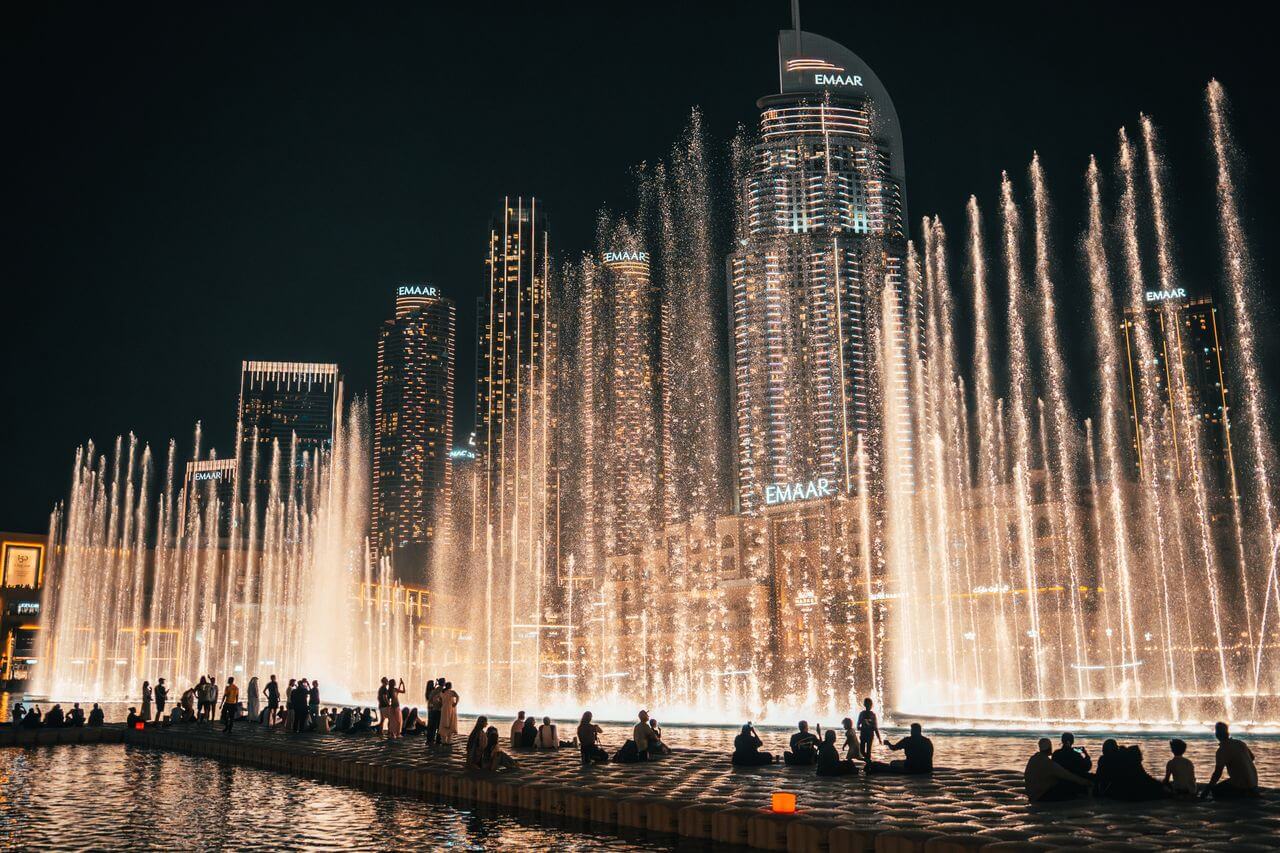
At the base of the Burj Khalifa, the fountains perform to music every 30 minutes through the evening — completely free and genuinely beautiful. The adjoining Dubai Mall is a destination in itself: an aquarium with a walk-through tunnel, an ice rink, a huge indoor waterfall. Entry is free; the aquarium and other attractions are paid add-ons.
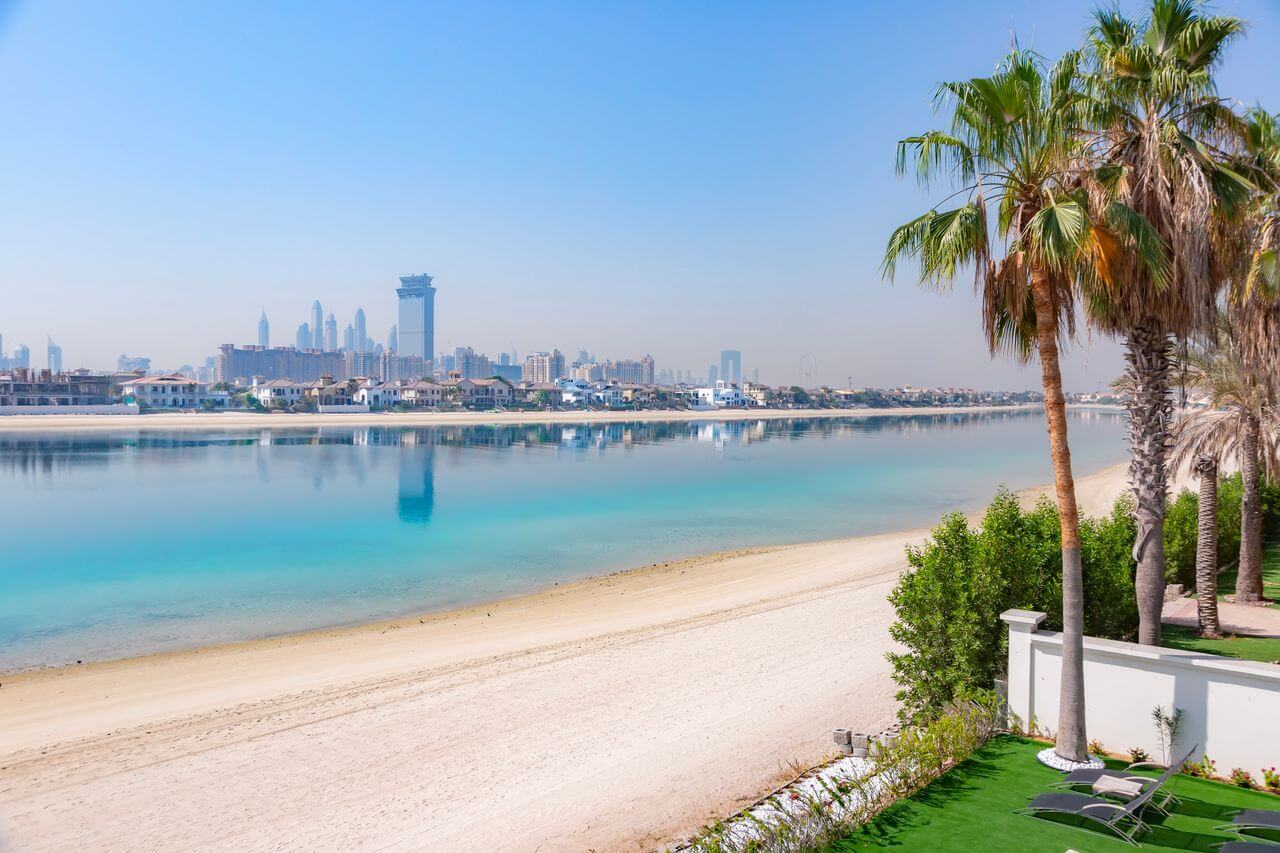
Palm Jumeirah, Marina & the Museum of the Future
Ride the monorail along the Palm and up The View at the Palm observation deck (around AED 100) for the vantage that makes the island’s shape click. Cruise the Marina by dhow or yacht for the towers lit up at night. And if its calligraphy-wrapped shell tempts you, book the Museum of the Future (around AED 159) days ahead — it sells out, with no walk-ups.
Theme Parks & Waterparks
Dubai is one of the world’s great theme-park cities, and a lot of it is indoors — which makes these a genuine lifesaver in the hot months. Prices are steep, so pick one or two rather than trying to do them all, and look for multi-park or combo tickets to save.
The Big Hitters
- IMG Worlds of Adventure — the world’s largest indoor theme park, with Marvel and Cartoon Network zones and serious roller coasters. Fully air-conditioned; around AED 365.
- Motiongate Dubai — Hollywood-themed (DreamWorks, Smurfs, Columbia, Lionsgate), with the region’s best thrill rides; from around AED 330. Part of Dubai Parks and Resorts.
- Legoland Dubai & Legoland Waterpark — built for kids aged 2–12; the gentlest of the parks and a winner with younger families.
- Atlantis Aquaventure — one of the world’s largest waterparks on the Palm, with 100-plus slides including the near-vertical Leap of Faith; from around AED 350.
- Wild Wadi — a smaller, well-loved waterpark by the Burj Al Arab, handy if you’re staying on the Jumeirah coast.
- Ski Dubai — the indoor snow park at Mall of the Emirates: skiing, tobogganing and penguins at a constant −2°C. A fun novelty, though pricey and small for real skiers.
Beaches in Dubai
People forget Dubai is a beach city, but the Gulf is warm, the sand is white, and many of the best beaches are free public ones with a clear view of the Burj Al Arab. You don’t need a resort to enjoy the coast.
Where to Hit the Sand
- JBR / The Beach — the liveliest stretch, backed by The Walk’s shops, cafes and watersports. Great for families and people-watching, free to access.
- Kite Beach — the local favourite: a free, buzzy beach with food trucks, a running track, watersports and a postcard Burj Al Arab view.
- La Mer — a stylish beachfront with street-art murals, eateries and a relaxed vibe, plus the Laguna waterpark next door.
- Jumeirah Open Beach — a long, free public beach with a palm-lined boardwalk, popular for sunset strolls and swimming.
- Black Palace (“Secret”) Beach — a quieter, undeveloped stretch with the best Burj Al Arab and Palm views, for those who want calm over facilities.
- Al Mamzar — a large, well-kept beach park north of Deira with lagoons and lawns, much quieter and great for families.
Adventure & Adrenaline
Beyond the desert safari, Dubai has quietly become a serious adventure-sports city. If you want a story to take home, here are the big ones — with honest prices.
The Bucket-List Thrills
- Skydive Dubai — the famous tandem jump over the Palm Jumeirah from around 12,000 feet; the single most iconic photo in the city, at roughly AED 2,300 and worth every dirham for many.
- XLine Dubai Marina — the world’s longest urban zipline, a 1 km flight over the Marina at up to 80 km/h; around AED 650 solo, AED 1,200 for the dual line with a friend.
- iFly Dubai — indoor skydiving in a wind tunnel: the free-fall thrill without the plane, great for beginners and kids, at a fraction of the price.
- Deep Dive Dubai — the world’s deepest pool (60 m), built around a sunken “city” for divers; a bucket-list dive if you’re certified or want a discovery session.
- Hot-air balloon — a serene sunrise drift over the desert dunes, often with a falconry show and breakfast; around AED 1,200, the calm opposite of dune bashing.
- Dune buggies & quad bikes — self-drive desert adrenaline, usually added to a safari or run as a dedicated tour.
Day Trips from Dubai
Dubai sits within easy reach of some of the UAE’s best experiences. If you have more than a few days, one or two of these add real variety to the trip.
Abu Dhabi — the obvious one
The UAE capital is about 90 minutes away and easily done in a day. The breathtaking Sheikh Zayed Grand Mosque is the headline (free, but dress modestly), alongside the Louvre Abu Dhabi, the presidential palace Qasr Al Watan, and the adrenaline of Ferrari World and Yas Island on the way back.
Hatta — mountains and a turquoise dam
About 90 minutes inland in the Hajar Mountains, Hatta is the outdoorsy side of Dubai: kayaking on the emerald dam, hiking and mountain-bike trails, a heritage village and cooler mountain air. Best from October to March.
Sharjah & Ras Al Khaimah
Neighbouring Sharjah is the UAE’s culture capital — excellent museums, the Blue Souk and restored heritage quarters, just 30 minutes away. Push a little further to Ras Al Khaimah for Jebel Jais, the country’s highest peak and home to the world’s longest zipline.
Dubai’s Hidden Gems
Once you’ve done the headline sights, this is where Dubai gets interesting. None are secret exactly, but the crowds thin out fast the moment you step off the standard tourist track.
Where Locals Actually Go
- Al Seef: a beautifully done heritage-style waterfront of coral-stone buildings, cafes and dhow moorings along the Creek. Go at dusk with a karak chai and watch the abras putter past.
- Alserkal Avenue: in industrial Al Quoz, converted warehouses house the city’s contemporary-art and indie scene — galleries, design studios, specialty coffee. The closest Dubai gets to an arts quarter.
- Hatta: about 90 minutes inland in the Hajar Mountains — a turquoise dam for kayaking, hiking and mountain-bike trails, and a heritage village. A completely different landscape, best in cooler months.
- Kite Beach: a free, lively public beach with watersports, food trucks, a running track and a clear Burj Al Arab view — where residents actually go.
- Ravi Restaurant & Satwa: a legendary, no-frills Pakistani restaurant open since the 1970s, where a superb meal costs a fraction of mall prices, surrounded by cheap, excellent South Asian food.
- The Coffee Museum & Al Fahidi’s tiny museums: quirky little museums (coffee, currency, calligraphy) tucked into the heritage lanes, perfect for the hottest part of the day.
Free & Cheap Things to Do in Dubai
Dubai has a reputation for being expensive, but some of its best experiences cost nothing at all. Here’s how to fill days without spending much.
💰 Brilliant for (Almost) Free
- Watch the Dubai Fountain show — free, every 30 minutes through the evening.
- Wander the Al Fahidi historical district and its wind-tower lanes — free.
- Cross Dubai Creek on a traditional abra — just AED 1 each way.
- Stroll the Gold and Spice Souks in Deira — free to browse and haggle.
- Relax on a public beach — Kite Beach, JBR and Jumeirah Open Beach are all free.
- Walk the Marina promenade and JBR’s The Walk in the evening — free.
- Explore Al Seef’s restored Creek waterfront at dusk with a karak chai.
- Visit City Walk and La Mer for street art and people-watching.
- See the green Al Qudra Lakes and Love Lake out near the desert — free, bring a picnic.
- Browse the weekend Ripe Market for crafts, food and live music in winter.
- Catch the views from the Palm’s boardwalk and the free stretches of Bluewaters.
- Step inside a mosque on a cultural tour at the Sheikh Mohammed Centre — a small fee, big insight.
The Dubai Food Guide
Dubai might be the most underrated food city in the region, simply because of who lives here. You can eat your way around the world without leaving a single neighbourhood, often for very little.
Emirati food to seek out
Genuine Emirati food is harder to find than you’d expect, so make a point of trying it. Look for machboos (fragrant spiced rice with meat or fish), harees (slow-cooked wheat and meat), balaleet (sweet-savoury vermicelli with egg) and luqaimat (warm dumplings in date syrup). Al Fanar and Aseelah serve traditional menus; Logma does a modern, casual take.
Shawarma & Street Food
A shawarma runs AED 8–15 and a plate of biryani AED 20–40. Seek out Ravi (Pakistani), Al Mallah on Satwa Road and the Indian canteens of Karama. Better than most mall restaurants for a tenth of the price.
Karak Chai
The sweet, milky, cardamom-spiced tea that fuels the whole city, for a couple of dirhams at any roadside cafeteria. A small, essential Dubai ritual.
The Friday Brunch
A Dubai institution — a lavish, often free-flowing all-you-can-eat affair that’s as much a social event as a meal. Book ahead; they’re hugely popular on weekends.
Fine Dining
World-class: Pierchic serves seafood over the water, Ossiano plates dinner against a giant aquarium, Zuma and Nobu bring the heavy-hitters, and At.mosphere sits inside the Burj Khalifa.
Dubai Nightlife
Dubai’s nightlife is bigger and more relaxed than its conservative reputation suggests — with a few rules worth understanding. Alcohol is served legally in licensed venues, which in practice means hotel bars, clubs and many restaurants. Tourists no longer need a personal licence. The golden rule: drink where it’s served, never drink and drive (there’s a zero-tolerance limit), and don’t be visibly drunk or rowdy in public.
Beach clubs are a Dubai signature — Zero Gravity, Cove Beach and the see-and-be-seen Nikki Beach blend pool, sand and DJs into long afternoons that roll into evening. For a drink with a view, rooftops like CÉ LA VI, Level 43 and Iris are reliably spectacular. The late-night club scene centres on White Dubai, Soho Garden and Base.
Dubai Shopping
Shopping is practically a sport here, and it spans two very different worlds: gleaming mega-malls and centuries-old souks. Do both.
Malls vs Souks
- The Dubai Mall is the giant, with everything from high street to haute couture, plus its aquarium and the fountain at its doorstep.
- Mall of the Emirates adds the indoor ski slope; Ibn Battuta Mall is worth seeing for its themed architecture alone; Dubai Hills Mall is the slick newer option.
- The Gold Souk in Deira glitters with astonishing displays — gold is sold by weight at the day’s rate plus a making charge, and yes, you haggle.
- The Spice Souk next door is a fragrant maze of saffron, frankincense and dried lemons, while the Textile Souk in Bur Dubai is the place for fabrics and pashminas.
What a Dubai Trip Actually Costs
Dubai has a reputation as a money pit, and it can be — but that’s a choice, not a rule. The city spans the full range from genuine backpacker territory to some of the most expensive hotels on earth. Here’s a realistic picture of daily costs per person, excluding international flights. All figures are indicative 2026 prices and vary with season and exchange rates (1 USD ≈ 3.67 AED, a peg that barely moves).
| Per person / day | Budget | Mid-range | Luxury |
|---|---|---|---|
| Accommodation | AED 80–250 | AED 350–800 | AED 1,500+ |
| Food | AED 50–90 | AED 150–350 | AED 500+ |
| Transport | AED 15–40 | AED 60–150 | AED 250+ |
| Attractions | AED 0–60 | AED 100–300 | AED 400+ |
| Daily total | AED 200–400 | AED 600–1,200 | AED 2,500+ |
Budget travellers can stay in Deira or Bur Dubai, eat in Satwa and Karama, use the metro and abras, and stick to free sights — around AED 200–400 a day. Mid-range trips with a 3–4 star hotel, a couple of paid attractions and a mix of dining run AED 600–1,200. Luxury starts around AED 2,500 and climbs as high as you like.
Sample Dubai Itineraries
Four ready-made plans depending on how long you have. They’re built to minimise back-and-forth across the city and to balance the icons with the quieter side of Dubai. In hot months, push outdoor items to early morning or evening.
The 3-Day Itinerary — a perfect stopover
Day 1: Dubai Mall and aquarium, the Burj Khalifa at sunset, the fountain show and dinner on the lake. Day 2: a morning beach, then an evening desert safari with dune bashing and a barbecue under the stars. Day 3: old Dubai — Al Fahidi, an abra across the Creek, the Gold and Spice Souks, and sunset at Al Seef.
The 5-Day Itinerary — the well-rounded trip
Days 1–3 as above, at a gentler pace. Day 4: Palm Jumeirah — the monorail, The View at the Palm, and an afternoon at Atlantis Aquaventure or a relaxed beach day. Day 5: the Museum of the Future (pre-booked), the Dubai Frame, and leftover shopping or a spa afternoon; in winter, swap in Global Village for the evening.
The 7-Day Itinerary — the complete experience
Days 1–5 as above. Day 6: a day trip — the mountains, dam and kayaking at Hatta, or a full day in Abu Dhabi for the Sheikh Zayed Grand Mosque and the Louvre. Day 7: slow Dubai — a leisurely brunch, Kite Beach, Alserkal Avenue’s galleries, and a final sunset somewhere you loved.
The 10-Day Itinerary — deep and unhurried
Days 1–7 as above, with no rushing. Day 8: a resort beach day, a hammam or spa, an easy evening. Day 9: a second day trip or theme parks — Dubai Parks and Resorts or IMG Worlds for families, or Sharjah’s museums for culture. Day 10: hidden Dubai and farewell — the small Al Fahidi museums, the Textile Souk, a last wander, and any VAT refunds before departure.
Dubai with Family
Few big cities are as easy to travel with a family as Dubai. It’s safe, spotlessly clean, endlessly air-conditioned, and built around exactly the kind of large-scale attractions kids love. The main things to manage are the heat and the walking distances.
Family Winners
- Theme & water parks: Atlantis Aquaventure, Legoland at Dubai Parks and Resorts, the indoor IMG Worlds of Adventure (a summer lifesaver), and Ski Dubai for snow play.
- Gentler hits: the Dubai Aquarium, Green Planet indoor rainforest, the Dubai Frame, and a family-friendly desert safari.
- Budget-friendly evenings: Global Village in winter keeps all ages happy for very little.
- Best base: JBR and the Marina — beach, casual restaurants and space to roam without a car. Hotels are overwhelmingly family-ready, with pools, kids’ clubs and connecting rooms.
The heat is the real planning constraint. From May to September, structure days around indoor mornings and afternoons and save outdoor time for early morning or after sunset. Carry water constantly, use high-factor sun protection, and mix the expensive park days with free ones (public beaches, the fountain, Al Seef, Creek abras) to keep the trip both fun and affordable.
Dubai for Couples & Honeymoon
Dubai does romance with the same enthusiasm it does everything else. The reliable recipe: a sunset somewhere high or watery, a good dinner, and a desert night. Start with a private desert experience, add a dinner cruise through the Marina or the Creek, a drink at a rooftop bar as the towers light up, and a slow evening by the Dubai Fountain.
For a honeymoon, the city’s strength is ease — you can combine total beach relaxation with high-end dining and a few unforgettable set-pieces without ever roughing it. Palm Jumeirah is the classic base for private beaches and that island feeling; the Jumeirah coast and Madinat Jumeirah (Venetian-style waterways, Burj Al Arab views) are deeply romantic; and a high Burj Khalifa-view suite in Downtown is spectacular for couples who want the lights. A week splits beautifully into a few resort-and-beach days, a desert night, a couple of standout dinners, and one or two icon days.
Common Mistakes Tourists Make
Avoid These
- Visiting in peak summer unprepared. July–August heat is no joke; if you come, plan an indoor-and-pool trip, not a walking one.
- Cramming the itinerary. Attractions are far apart; four “must-dos” in a day becomes three hours in taxis and a lost afternoon.
- Only seeing new Dubai. Skipping the Creek, Al Fahidi and the souks means missing the most characterful part of the city.
- Eating every meal in malls. You’ll pay double for food that’s often worse than the cheap restaurants residents love.
- Not pre-booking the popular sights. Museum of the Future and prime Burj Khalifa slots sell out; walk-ups pay more or miss out.
- Buying every observation deck and theme park. The views and thrills overlap — choose, don’t collect.
- Underestimating the air-conditioning. Indoors can be freezing; a light layer isn’t optional.
- Public displays of affection. Easy to forget, occasionally a real problem — keep it discreet.
- Drinking and driving — ever. Zero tolerance means zero. Use a taxi.
- Assuming the metro reaches everything. It doesn’t go to the Palm interior, the beaches or the desert.
Dubai Safety & Local Laws
Dubai is one of the safest major cities in the world. Violent crime is rare, petty theft is uncommon, and women travelling solo generally report feeling very comfortable, including at night. The thing to be aware of isn’t danger — it’s the law. The UAE is socially liberal by regional standards but still conservative, and a few rules genuinely matter.
Local Laws Worth Knowing
Follow these and you’ll never have an issue. The flip side of the strict laws is the safety and order that make Dubai such a relaxing place to visit. Save a copy of your passport, note your embassy details, and you’re set.
💡 25+ Dubai Travel Tips Worth Knowing
- Buy a Nol card at the airport metro station on arrival — it covers the metro, tram and buses.
- Book the Burj Khalifa, Museum of the Future and any waterpark online, days ahead — cheaper, and they sell out.
- Visit outdoor attractions early morning or after sunset to dodge the worst heat.
- Carry a light jacket or scarf — indoor air-conditioning is aggressive everywhere.
- Always have a bottle of water on you; dehydration sneaks up fast here.
- Use the cream-coloured RTA taxis or Careem/Uber; all are metered or fixed and trustworthy.
- For three or four people, taxis often beat separate metro fares — and save you the heat.
- Tap water is technically safe but most people drink bottled; it’s cheap.
- Tipping is appreciated, not mandatory — round up taxis, leave 10–15% if service isn’t already charged.
- Friday is the holy day; the weekend is Saturday–Sunday. Mornings are quiet, evenings busy.
- Dress modestly away from the beach to avoid awkward looks.
- Keep public displays of affection minimal.
- Never joke about drugs at the airport, and check medication rules before flying.
- Claim your 5% VAT refund at the airport for eligible shopping (Planet Tax Free).
- Haggle in the souks; never in the malls.
- Eat at least a few meals outside the malls — Satwa, Karama and Deira are cheaper and better.
- A one-dirham abra ride across the Creek is the best-value experience in the city.
- Avoid peak summer (June–August) unless you specifically want indoor-and-pool days at low prices.
- Many bars run “ladies’ nights” midweek with free drinks for women — big savings.
- Get a local eSIM or a tourist SIM (du/Etisalat) at the airport for cheap data.
- WhatsApp voice and video calls can be blocked on local networks — use a workaround app or hotel Wi-Fi.
- Download Careem and offline maps in case your data is patchy.
- Pace your itinerary; attractions are far apart and cramming leads to a day lost in taxis.
- Pick one or two observation decks, not all of them — the views overlap.
- For a desert safari, pay a little more for a smaller or conservation-focused operator.
- Carry some cash for souks, abras and small cafes, though cards work nearly everywhere.
- If you can, build in a day trip — Hatta’s mountains or Abu Dhabi’s Grand Mosque add real variety.
Frequently Asked Questions
Straight answers to what travellers actually ask before a Dubai trip.
Very. Dubai has extremely low crime, excellent infrastructure and a strong police presence. The main thing to watch isn’t safety but local laws around dress, public behaviour, alcohol and drugs. Respect those and most visitors feel safer here than at home.
Yes — it’s one of the more comfortable big cities for women travelling alone, including at night. There’s a women-and-children metro carriage, and harassment is uncommon. Standard sensible precautions apply, but most solo female travellers report feeling very at ease.
It depends on your nationality. Many travellers (UK, EU, US, Canada, Australia and more) get a free visa on arrival. Others need a pre-arranged e-visa, which your airline or hotel can help with. Always confirm with an official source before booking.
November to March for the best weather, though it’s the priciest and busiest. April–May and October are good-value shoulder months. June–September is very hot but cheap, and best only for indoor-and-pool trips.
Three days covers the highlights as a stopover. Five days is the comfortable sweet spot. Seven to ten lets you add day trips, beaches and a slower pace. More than ten and you’ll likely want to branch out to Abu Dhabi or beyond.
It can be, but it doesn’t have to be. Budget travellers manage on AED 200–400 a day; mid-range trips run AED 600–1,200; luxury starts around AED 2,500 and climbs. Accommodation and dining choices are the biggest levers.
Yes, in licensed venues such as hotel bars, clubs and many restaurants. Tourists no longer need a personal licence. Just don’t drink and drive, and don’t be drunk in public.
Beachwear at the beach and pool; otherwise cover shoulders and knees in malls, souks and public spaces. Dubai is more relaxed than much of the region, but modest dress avoids awkwardness, and religious sites require it.
Excellent. It’s safe, clean, air-conditioned and packed with theme parks, beaches and aquariums. The main challenge is heat, so plan around it and mix paid attractions with free ones to manage the budget.
Plenty — a desert safari, the Burj Khalifa, old Dubai and the Creek, beaches, dhow cruises, the Museum of the Future, theme and water parks, and day trips to Hatta or Abu Dhabi. Shopping is just one slice.
Yes, especially at sunset. Book online in advance, and the standard 124th-floor deck is plenty for most people — the pricier higher floors aren’t essential to enjoy the view.
It’s the one experience we’d insist on. Pay slightly more for a smaller or conservation-focused operator rather than the cheapest mass tour, and you’ll have a far better evening.
The metro (with a Nol card) is cheap and clean for the main corridor; taxis and Careem/Uber fill the gaps, especially to the Palm, beaches and desert. For groups, taxis often work out cheaper and cooler than the metro.
It’s generally considered safe, but most residents and visitors drink bottled water, which is inexpensive and widely available.
Yes. The law changed and unmarried couples — including foreign tourists — can legally share a room. In practice hotels are entirely used to this and won’t question it.
The UAE Dirham (AED), pegged to the US dollar at about 3.67. Cards are accepted nearly everywhere; carry some cash for souks and abras. Tipping is appreciated but modest — round up taxis and leave 10–15% if a service charge isn’t already included.
It can be a special, atmospheric time, with spectacular evening iftars. Just expect quieter daytimes, restricted public eating and drinking in daylight, and some reduced hours. Non-Muslims aren’t expected to fast.
Downtown if you want to be among the icons, or the Marina/JBR if you want beach and buzz. Both are well connected and beginner-friendly. Deira is the pick for budget and old-city character.
Yes, almost universally. Arabic is the official language, but English is the common tongue of daily life, signage and business. You’ll have no trouble communicating.
Absolutely. Stay in Deira or Bur Dubai, eat in Satwa and Karama, use the metro and abras, and focus on free sights like the Creek, souks, public beaches and the fountain. Around AED 200–400 a day is realistic.
Dubai is famous for record-breaking landmarks — the Burj Khalifa (the world’s tallest building), the palm-shaped Palm Jumeirah, vast luxury malls and the sail-shaped Burj Al Arab — plus desert safaris, gold souks, year-round sunshine and a remarkably international, safe, modern atmosphere.
A standard evening desert safari with dune bashing, a camel ride, sandboarding, a barbecue dinner and entertainment runs roughly AED 150–300 per person. Premium, conservation-led safaris in vintage Land Rovers cost from around AED 600. The cheapest mass tours feel rushed, so paying a little more is usually worth it.
Abu Dhabi is about 140 km from Dubai, roughly a 90-minute drive, which makes it an easy day trip. The main draws are the Sheikh Zayed Grand Mosque, the Louvre Abu Dhabi, Qasr Al Watan and Ferrari World on Yas Island.
The summer months of June to August are by far the cheapest, with five-star hotels at a fraction of their winter rates — the trade-off is extreme heat, so it suits an indoor, pool-and-mall trip. For a balance of value and bearable weather, the shoulder months of May and October are the sweet spot.
Excellent — it’s one of the world’s great stopover cities, thanks to Emirates’ huge network and a fast, efficient airport. Two or three days is enough to see the icons, do a desert safari and explore old Dubai. Many airlines and the airport offer short stopover packages and quick visa options.
For families and thrill-seekers, yes — and the indoor ones (IMG Worlds, Ski Dubai) are a real bonus in the heat. They are expensive, though, so pick one or two rather than all of them, and buy multi-park or combo tickets online in advance to save. Aquaventure on the Palm is the standout waterpark.
Yes. Shorts and normal summer clothing are fine in tourist areas, hotels, beaches and the Marina. In malls, souks and more traditional districts, it’s respectful to keep shoulders and knees covered, and modest dress is required at mosques. Dubai is more relaxed than its reputation, but a little modesty in public areas goes a long way.
Cards and contactless are accepted almost everywhere, so you can travel largely cashless. It’s still worth carrying some dirhams for souks, abra rides, taxis and small cafes. ATMs are plentiful, and the dirham is pegged to the US dollar at about 3.67.
Final Verdict
Dubai rewards travellers who plan a little and stay curious. Come for the record-breaking spectacle by all means — but leave room for the one-dirham boat ride, the shawarma off a side street, and the silence of the desert at dusk. That mix, the audacious and the everyday, is what people actually remember.
Go in the cooler months if you can, decide your two or three splurges and relax about the rest, respect the local rules, and don’t try to do everything. Get those right and Dubai is one of the easiest, most enjoyable trips you’ll ever take.
Found this useful? Share it
Help another traveller plan a better Dubai trip.
The Traveato Editorial team builds practical, research-heavy travel guides that help travellers plan better trips through real research, honest local insight and AI-powered travel tools.