

📋 What’s in This Guide
Why Ladakh Is Different
Most places you visit exist on a human scale. Cities, beaches, forests — they’re big, but the human brain can process them. Ladakh doesn’t work that way. The landscape here operates at a geological scale that simply doesn’t register normally. You’ll be driving on a road that seems fine and then the valley will open up and there’s nothing — just mountains, sky and distance — in every direction for as far as you can see. The mind goes quiet. It happens to almost everyone.
Ladakh sits at the junction of four of the world’s greatest mountain ranges — the Himalayas, the Karakoram, the Hindu Kush and the Kunlun. The average elevation is above 3,000 metres. There are passes here that go above 5,000 metres that you’ll drive over in a Toyota Innova. Monasteries perch on cliffsides at altitudes most European mountains don’t reach. The sky at night, at this elevation and with zero light pollution, is a genuinely different sky than the one you’re used to.
And then there’s the culture. Ladakhi Buddhism — the Vajrayana tradition — has been practiced in these valleys continuously for over a thousand years. The monasteries aren’t museums; monks actually live in them, pray in them, perform elaborate masked dances in them for festivals that have been happening since the 15th century. If you spend time in Hemis or Thiksey or Alchi — not just photographing the exterior but actually walking in and sitting for a while — you’ll come out different than you went in.

Before You Go — The Things That Actually Matter
Most travel blogs bury this section or skip it entirely. Don’t. Getting to Ladakh wrong — rushing acclimatization, skipping permits, not having the right gear — can turn the trip of a lifetime into a medical emergency. Here’s what you actually need to know.
Altitude Sickness is Real and Dangerous. Leh sits at 3,524 metres. If you fly in (which most people do), your body needs time to adjust. The standard advice is to rest completely on Day 1, take short walks on Day 2 and only consider higher-altitude trips from Day 3 onwards. It can affect anyone, regardless of fitness level. If you experience symptoms such as headache, nausea, dizziness or shortness of breath, seek medical advice. Allow your body time to acclimatise, stay hydrated and avoid overexertion during your first few days at high altitude.
Permits — What You Need and How to Get Them
🇮🇳 Indian Citizens — Inner Line Permit (ILP)
Required for Nubra Valley, Pangong Tso, Tso Moriri, Hanle, Umling La and all border areas. Can be obtained online at lahdclehpermit.in or through travel agents in Leh town. Cost is nominal (₹20–100 per zone). Valid for 7 days per region. Get multiple printed copies — checkposts are frequent and strict.
🌍 Foreign Nationals — Protected Area Permit (PAP)
Required for the same areas. Must be obtained through a registered travel agency — cannot be obtained individually. Minimum group of 3 people (with some exceptions). Areas near the Chinese and Pakistani borders have additional restrictions. Arrange this before travel, not on arrival in Leh.
📋 Which Areas Need Permits
Nubra Valley (Diskit, Hunder, Turtuk, Siachen side), Pangong Tso, Tso Moriri, Tso Kar, Hanle, Chushul, Umling La, Dah-Hanu (Aryan Valley), Khalsi towards Kargil side, Zanskar via Chilling road. Leh town and Shanti Stupa area do NOT require permits.
✅ Practical Permit Tips
Apply online 48 hours before your travel date per region. Download the PDF and print at least 3 copies per person. The checkpoint at Khardung La bottom (before Nubra), Tolding (before Pangong), and Mahe bridge (before Tso Moriri) are the main checkposts. Officers can and do turn back permit-less travellers. Don’t rely on digital copies alone.
How to Get to Leh
By Air (recommended for most travellers): Direct flights from Delhi (50 minutes), Mumbai (2.5 hours), Bangalore (3 hours) and Srinagar (30 minutes). Spicejet, Air India and IndiGo operate this route. Round-trip from Delhi costs ₹8,000–22,000 depending on season and advance booking. Book early for May–June — seats go fast. Morning flights are more reliable; afternoon flights often get delayed due to mountain weather.
By Road from Manali (the legendary route): The Manali–Leh Highway (NH3) covers 479 km through passes including Baralacha La (4,892m), Nakee La and Tanglang La (5,328m). It takes 2 days with a night halt in Jispa or Sarchu. Open typically from late May to early October. This is what most bikers and road-trippers do — genuinely one of the great mountain drives in the world, but not to be taken lightly. Check road conditions before departure.
By Road from Srinagar: The Srinagar–Leh Highway (NH1) covers 434 km via Zoji La pass, Drass, Kargil and the Kargil War Memorial at Drass. Slightly more reliable weather than Manali route, open from April through November most years. Takes 2 days with a halt in Kargil or Drass.
Best Time to Visit — Honest Version
Month-by-Month Breakdown
- ❄️ January–February: Chadar Trek season on frozen Zanskar River. Only accessible by air. -20°C possible. Not for casual tourists — extraordinary for those prepared. Very few hotels open.
- 🌸 March–April: Still cold, snowmelt begins. Some roads open mid-April. Good for photography with snow-covered monasteries. Limited tourist infrastructure but growing.
- ☀️ May–June: Manali-Leh highway typically opens in late May. Peak tourist season begins. Excellent weather (10°C–25°C). All sights accessible. Hemis Festival (June/July) — the biggest monastery festival. Book everything in advance.
- 🌞 July–August: Peak season crowds. Occasional road closures from Manali side due to rains in lower Himalayas. Leh itself has minimal rain (it’s a cold desert). All passes open. Prices at maximum.
- 🍂 September–October: The insider’s recommendation. Crowds thin dramatically after mid-September. Skies are clear and sharp. Temperatures comfortable. All routes still open until late October. Best for photography.
- 🏔 November: Passes begin closing. Manali-Leh highway closes first (usually late October). Leh still accessible by air. Cold sets in properly. Quiet, beautiful, limited services.
- 🌨 December: Deep winter. Most guesthouses close. Air access continues. For serious winter travellers only.
Places Worth Your Time in Ladakh
There are places in Ladakh that every itinerary includes and places that most itineraries miss. Both matter. Here’s a detailed breakdown of every location worth your time — with what’s actually worth doing at each one, not just what to photograph.

🏞 Pangong Tso — The Lake That Doesn’t Look Real
134 kilometres long, stretching from India into China (roughly 60% of the lake is on the Chinese side), Pangong Tso sits at 4,350 metres above sea level. The water changes colour through the day — deep blue in the morning, turquoise by noon, silver-grey at dusk — in a way that photographs never quite capture because the colours shift as you watch. Himalayan wolves and kiangs (wild asses) wander the shoreline. Bar-headed geese nest here in summer.
The Bollywood connection (3 Idiots’ final scene was filmed here) brought millions of visitors, but the lake is large enough that you can walk away from the main camp area and find stretches of shore with nobody on them. The road from Leh via Chang La pass (5,360m) takes 4–5 hours. Most people stay overnight in tented camps or guesthouses at Spangmik or Man village on the south shore — this is strongly recommended. The lake at night, under stars, with silence broken only by wind across the water, is as good as Ladakh gets.
The newer road via Shyok River (Durbuk-Shyok-Pangong route) is now the standard approach and is significantly better than the old Chang La route for the Pangong-to-Nubra transition. Most 10-day itineraries now do Nubra → Shyok Valley → Pangong → Leh rather than returning via Chang La.

🐪 Nubra Valley — Desert Between Mountains
The cognitive dissonance of Nubra Valley hits you hard: you’ve just driven over Khardung La at 5,359 metres through snow and bare rock, and then you descend into a wide river valley with sand dunes, double-humped Bactrian camels and poplars turning golden in autumn. It genuinely looks wrong in the best possible way. The Shyok and Nubra rivers meet here, carving a landscape that feels nothing like the Ladakh you came through to reach it.
Hunder village has the famous sand dunes where the camel rides happen — worth doing once, genuinely enjoyable despite being a tourist activity, particularly at sunset when the light on the dunes turns everything orange-pink. Diskit Monastery above the village is the oldest and largest in Nubra — the 32-metre Maitreya Buddha statue here overlooking the valley was inaugurated by the Dalai Lama in 2010 and is worth the climb for the view alone.
Turtuk village (73 km from Diskit) is the highlight for travellers who want something beyond the standard circuit. It’s one of the northernmost villages in India, a former Pakistani territory until the 1971 war, and the culture here — Balti language, architecture, apricot orchards, the way people dress — is completely different from anything else in Ladakh. The village is impeccably maintained and the local families who run homestays here are exceptional hosts.

🏔 Khardung La Pass — 5,359 Metres. You’ll Feel Every One.
Technically not the highest motorable road in the world (that title belongs to Umling La in the Demchok region of Ladakh at 5,602m), Khardung La at 5,359 metres is still one of the highest roads you’ll drive on anywhere, and the statistics barely capture what it feels like to be at the top. The air is thin enough that walking 50 metres leaves you breathing hard. The view in clear weather takes in the Zanskar range to the south and the Karakoram to the north — two of the world’s great mountain systems visible simultaneously.
For bikers, Khardung La is a pilgrimage. The roads have improved significantly in recent years — safety barriers, better surface — but the pass still closes unexpectedly in bad weather and snowfall can happen in any month. The BSNL-operated tea stall and army cafe at the top serve Maggi, tea and little else, which at 5,359 metres tastes like the best Maggi you’ve ever eaten. Don’t spend more than 20–30 minutes at the top if you’re coming from Leh that day — altitude at this level hits fast.

🛕 Thiksey & Hemis — The Monasteries That Earn Their Reputation
Ladakh has dozens of monasteries but two stand apart for different reasons. Thiksey, 17 km east of Leh on the south bank of the Indus, is architecturally the most dramatic — twelve storeys stacked on a hill above the valley, resembling the Potala Palace in Lhasa so closely that it’s been called the “Mini Potala.” Inside, a 15-metre Maitreya Buddha dominates the main hall. The monastery was founded in the 15th century and is still home to around 60 monks. The rooftop view over the Indus valley at sunrise — when Leh tour operators send their groups here for morning puja — is genuinely extraordinary.
Hemis, 45 km from Leh in a sheltered valley, is the largest and wealthiest monastery in Ladakh — founded in 1672 by Stag Tsang Raspa under the patronage of the Ladakhi king Sengge Namgyal. It’s home to the Hemis Festival (June/July), the most important religious celebration in Ladakh. Masked Cham dancers perform in the monastery courtyard to commemorate Guru Padmasambhava’s birth — an event that draws thousands of visitors and has been running for over 350 years. The monastery also houses thangka paintings, ancient manuscripts and relics that constitute one of the most significant collections of Vajrayana Buddhist art in India.
Don’t race through either monastery. Sit in the main hall. Watch the butter lamp flames. Let the scale of the space do its work. These aren’t tourist attractions — they’re living religious institutions that have been active continuously since before Columbus sailed.

🕌 Shanti Stupa, Leh Palace & Leh Market — The Town Itself
People treat Leh as just a base to leave from, which is a mistake. The town has its own logic and its own rewards for anyone who spends a day walking it properly. Shanti Stupa, built in 1991 by a Japanese Buddhist order on a hilltop above Changspa, gives one of the better views of Leh and the valley — particularly impressive at sunset when the light goes orange and the Stok Kangri peak (6,153m) appears almost close enough to touch on clear days. The 500 steps from the road take about 15–20 minutes. Worth it.
Leh Palace, the 17-storey former royal palace built in the 17th century for the Namgyal dynasty, sits on a ridge above the town and is now maintained by the Archaeological Survey of India. It’s somewhat austere inside — many rooms stripped over centuries — but the terraces at the top give a sweeping view over the town and down the Indus valley. The adjacent Namgyal Tsemo Gompa (monastery) is worth visiting at the same time; the monks’ chanting at morning puja (around 7 AM) carries across the entire hillside.
Leh Market — the main bazaar running from Leh Polo Ground down to the old town — has excellent pashmina, thangka paintings, Ladakhi jewellery and Tibetan artefacts in shops that have been here for generations. Don’t buy from the first shop; prices vary widely. The Old Town area below the palace, with its maze of mud-brick lanes and carved wooden facades, is largely overlooked by tourists and is probably the most authentically Ladakhi experience available without leaving the city limits.

🦢 Tso Moriri — The One Most People Don’t Make It To
While Pangong gets all the attention, Tso Moriri — 240 km from Leh in the Changthang plateau — rewards the travellers who make the longer effort to reach it. The lake sits at 4,522 metres and is 28 km long, set against a mountain backdrop that includes several peaks above 6,000 metres. The surrounding Changthang plateau is one of the highest inhabited plateaus in the world, home to Changpa nomads who still migrate seasonally with their pashmina goat and yak herds in one of the oldest pastoral traditions in Central Asia.
Wildlife at Tso Moriri includes bar-headed geese, Brahminy ducks, great-crested grebes and — in some seasons — breeding pairs of black-necked cranes (one of the rarest crane species in the world). The surrounding plateau has Tibetan kiang, bharal (blue sheep), and wolves. If you have any interest in wildlife or photography, this is arguably a more rewarding destination than Pangong for a first trip. The lake has no commercial development on its shores — just the village of Korzok with simple homestays and guesthouses.
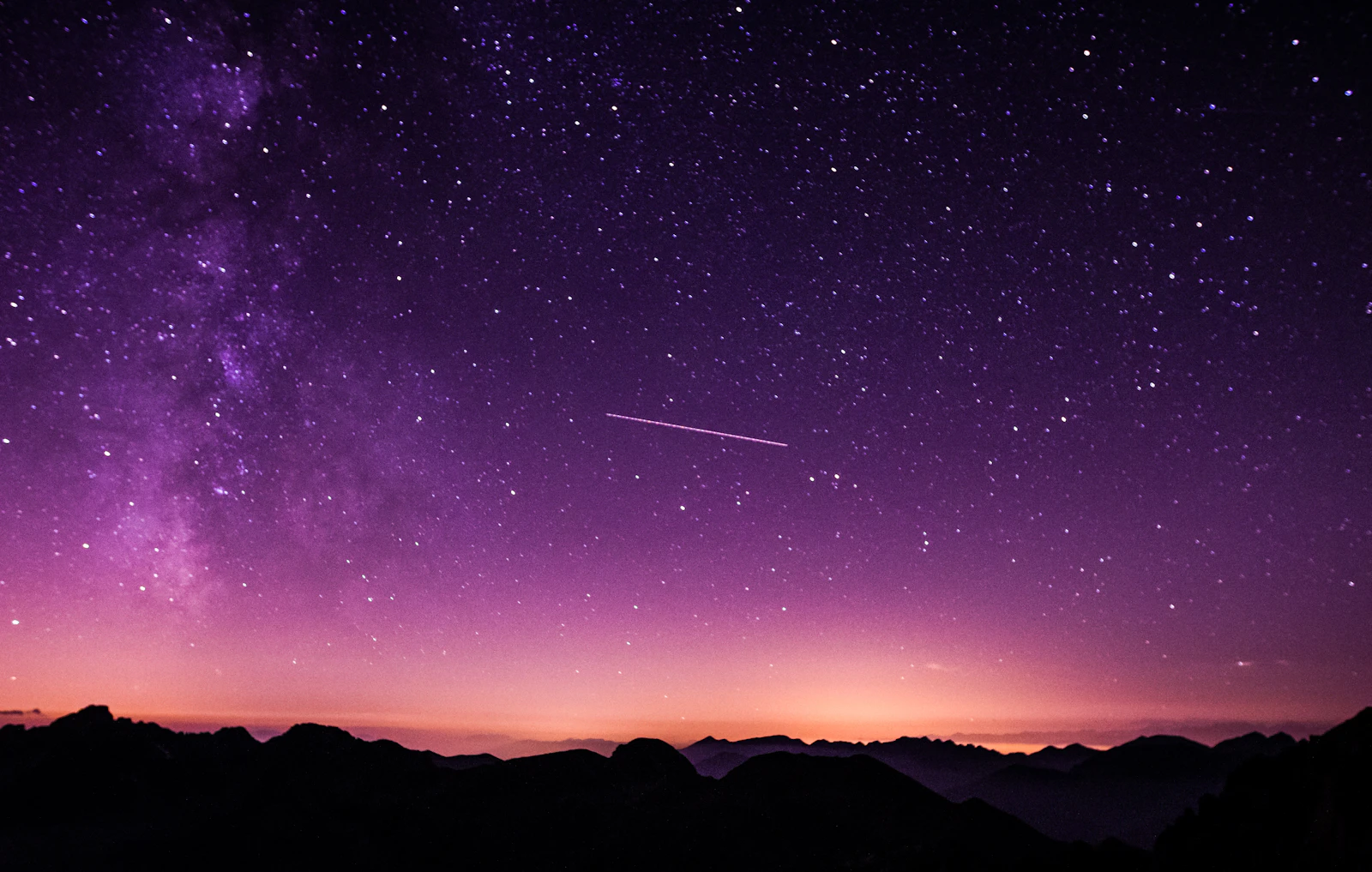
🌌 Hanle — The Best Night Sky in India
One of India’s first designated Dark Sky Reserves, Hanle sits at 4,500 metres in the Changthang region near the Chinese border, with one of the lowest light-pollution readings in the entire country. The Indian Astronomical Observatory here — one of the world’s highest astronomical observatories — was placed specifically because of the exceptional atmospheric clarity and minimal humidity at this altitude. On a clear night, the Milky Way is visible as a solid band across the sky from horizon to horizon. The Andromeda galaxy is naked-eye visible. You can see Jupiter’s moons with a basic binocular.
Reaching Hanle requires a special permit (beyond the standard ILP — a Protected Area Permit is required for the Hanle-Chushul sector) and a long drive. But the community-based tourism initiative operating here has developed excellent homestay accommodation, and the local Changpa families who host visitors are increasingly experienced at guiding stargazing sessions. The Hanle Dark Sky Reserve project has also provided local families with telescopes and training — so your astrophotography session here directly supports the community.

🌊 Sangam & Magnetic Hill — Classic Day Trips From Leh
The confluence of the Zanskar and Indus rivers at Nimmu (35 km from Leh) is one of those natural phenomena that photographs poorly but stuns in person: the milky green Zanskar River meeting the darker blue-grey Indus, the two colours running side by side for hundreds of metres before blending. The spot is also the starting point for Zanskar River rafting — the put-in point for the famous Grade III–IV stretch down to Alchi, one of the best half-day rafting experiences in northern India.
Magnetic Hill, 11 km before Sangam on the Leh-Srinagar highway, is an optical illusion caused by the surrounding hills creating a visual gradient that makes a slight downhill slope appear to be uphill. If you park your vehicle in neutral on the marked spot, it appears to roll uphill on its own (it’s actually rolling downhill into the valley gradient). It’s a 10-minute curiosity, worth stopping for but not worth building a day around. The real draw of this stretch of the Srinagar-Leh highway is the Gurudwara Patthar Sahib (10 km from Leh), a beautiful Sikh shrine set dramatically against the cliff faces.
Adventures & Activities — Including Paragliding
Ladakh is one of the best adventure destinations in India precisely because the range of activities is extraordinary — everything from tandem paragliding over the valley to multi-week treks across remote passes to rafting grade IV rapids. Here’s an honest breakdown of what’s available, what it costs and what’s actually worth doing.
Paragliding — Leh Valley
Tandem paragliding from the hills above Leh gives a 10–20 minute flight over the valley with views of Leh Palace, Shanti Stupa, the Indus River and the surrounding peaks. No experience required. You fly with a licensed instructor who handles all controls. Best months are May to October when thermals are stable. The launch site is typically accessed by a short jeep ride from Leh town. Video of your flight is available for an additional ₹500–800 from operators.
River Rafting — Zanskar & Indus
The Zanskar River between Sangam and Alchi offers one of the best half-day rafting experiences in northern India — Grade III–IV rapids through dramatic canyon walls with turquoise glacial water. The full Zanskar Gorge expedition (5–6 days, Grade IV+) is for experienced adventurers. Indus rafting is calmer (Grade II–III) and better for families. Multiple operators in Leh run daily trips from June to September.
Markha Valley Trek
The most popular multi-day trek in Ladakh — 8–10 days through remote villages, high passes (Kongmaru La at 5,100m), Buddhist monasteries and camping beside glacial rivers. The route passes through the Hemis National Park where snow leopard sightings are possible between November and March. Best season: July–September. Can be done independently or with a guide (strongly recommended for first-timers). Stok Kangri (6,153m) is the premier mountaineering summit in the region.
Chadar Trek — Frozen Zanskar
One of India’s most extraordinary trekking experiences — walking across the frozen Zanskar River for 7–9 days in January–February when it freezes solid enough to walk on. The canyon walls tower 1,000 metres above you; the only sounds are ice cracking and wind. Temperature: -15°C to -30°C. Physically demanding and logistically complex. Not for casual hikers. Requires good cold-weather gear, physical preparation and an experienced local guide. The Chadar is also increasingly threatened by climate change shortening the season each year.
Bike Trip — Manali to Leh
The Manali–Leh highway is one of the great motorcycle routes in the world — 479 km through five major high passes, crossing terrain that ranges from pine forest to lunar plateau. Royal Enfields are available for rent in Manali (₹1,200–2,000/day) or Leh. Tour operators also run guided bike trips with support vehicles for luggage. The route takes a minimum of 2 days (Manali → Sarchu → Leh) but is better done in 3–4 days with stops at Jispa, Sarchu and Pang. June to September is the window.
Bactrian Camel Safari — Nubra Valley
The double-humped Bactrian camels in Nubra Valley are the only population of this Central Asian species in India — a remnant of the ancient Silk Route trade. The camel rides at Hunder village operate across the sand dunes near the Shyok River. Standard ride is 20–30 minutes; sunrise rides are available from camp operators. The combination of Himalayan snow peaks, sand dunes and Bactrian camels in one frame is genuinely surreal and worth the tourist-attraction label it carries.
Best Hotels in Ladakh — All Budgets
Accommodation in Ladakh runs from basic guesthouses with shared bathrooms to genuinely excellent boutique hotels and heritage properties. Leh has the widest range; Pangong and Nubra have luxury camps and simple guesthouses. In remote areas like Hanle and Korzok (Tso Moriri), expect basic homestays — which are often more memorable than anything with a star rating.
🏔 Luxury — The Best Ladakh Has
These properties deliver exceptional views, reliable heating (critical at altitude), good food and service that makes a Ladakh trip significantly more comfortable without losing the authenticity of the place.

Consistently the best full-service hotel in Leh. The Grand Dragon has proper central heating (vital at 3,500m), a reliable restaurant serving Ladakhi and continental food, a spa, and rooms with floor-to-ceiling mountain views. The rooftop terrace is excellent for sundowners with a Stok Kangri backdrop. Staff are experienced with altitude-sensitive guests and genuinely helpful with trip logistics and permits. Book early — it fills fast in peak season.

A converted 200-year-old Ladakhi manor house on the banks of the Indus at Nimmu — 30 minutes from Leh and right next to the Zanskar–Indus confluence. Only 10 rooms, each decorated with traditional Ladakhi textiles and furniture, with views over the garden to the river and mountains beyond. The farm-to-table meals using locally grown vegetables and homemade butter are exceptional by Ladakh standards. Utterly peaceful. The best option for travellers who want something with genuine character.
🏡 Mid-Range — Comfortable, Reliable, Good Value
This is where most serious Ladakh travellers stay — clean, warm rooms, decent food, good location in or near Leh town, and staff who actually know the area.

A well-designed property in the Choglamsar area of Leh with 24 rooms built in traditional Ladakhi architectural style — whitewashed walls, carved wooden details, flat rooftops. Mountain views from most rooms. The garden and common areas are excellent for acclimatization days, and the in-house restaurant handles Ladakhi thali reliably. Consistently rated among Leh’s best mid-range options for couples and families.

Central Leh location, 10 minutes walk from the main bazaar and 15 minutes from Shanti Stupa base. Clean, reliably heated rooms with mountain views, a restaurant that handles breakfast well, and helpful staff who can assist with permit applications and driver arrangements. Roof terrace with good Leh Palace views. Solid value for travellers who want convenience over character.

Staying at a camp on the shores of Pangong Tso is a different experience entirely from a hotel in Leh. Several operators run well-equipped camps at Spangmik village on the south shore — proper beds, attached washrooms, heating units and a mess tent for meals. The lake is 100 metres from your tent. Sunrise from the Pangong shoreline is something you’ll think about for years. Prices vary by operator quality — go with established names like Royal Camp Pangong or Pangong Lake Camp.

One of the best budget-friendly options in Leh — a charming property in the Changspa area near Shanti Stupa base with clean rooms, a pleasant garden and owners who go out of their way for guests. The garden is a great place to acclimatize on Day 1 and 2. Solar-heated water (Leh has abundant sunshine), good breakfasts and proximity to the best cafés in Changspa lane make this excellent value for solo travellers and backpackers.
🎒 Budget & Hostel — Ladakh on Less
Budget travel in Ladakh is absolutely viable. Zostel Leh is the anchor of the backpacker scene; remote area homestays offer more than most hotels for a fraction of the price.

The social hub of Ladakh’s backpacker scene — well-run dorms and private rooms, a rooftop with Leh Palace views, a common area where travellers share itinerary advice, and staff who know the permit system and local transport options inside out. Zostel Leh regularly organises group trips to monasteries and day excursions which is genuinely useful for solo travellers who want company without booking a tour. Book weeks in advance for June–August.

The single best budget accommodation experience in Ladakh: staying with a local family in Turtuk (Nubra) or Korzok (Tso Moriri). Rooms are simple but clean. Meals are homemade — butter tea, thukpa, fresh apricots from the garden in season. The conversations with your host family — about the border history, the nomadic lifestyle, the changes that tourism has brought — are worth more than any hotel amenity. Costs are low because the families set prices themselves, typically ₹800–2,000 per night with meals. Book through village associations or ask your Leh driver for introductions.
What to Eat in Leh — Ladakhi Food & Where to Find It
Leh’s food scene divides into three zones: the main bazaar and tourist restaurants (momos, dal, standard north Indian), the Changspa lane café belt (good coffee, Israeli food, banana pancakes, the backpacker staples), and actual Ladakhi cuisine which most visitors never encounter because nobody tells them where to look or what to order. The third category is the one worth seeking.
🍽 What to Order
- 🍜 Thukpa: The defining dish of Ladakh — a hearty noodle soup with vegetables or meat in a clear broth spiced with black pepper and ginger. Essential on a cold Ladakh evening. Found everywhere; quality varies from excellent to mediocre. The Tibetan Kitchen near the main bazaar and Lehvenda Restaurant in Changspa are consistently the best.
- 🥟 Momos: Steamed dumplings filled with vegetables or meat. Ladakhi momos have a slightly different thickness to the wrapper than Nepali or Tibetan styles. The vendors near the Leh bus stand and the older shops in the bazaar do these better than the tourist restaurants.
- 🍞 Khambir: Traditional Ladakhi flatbread — thick, slightly sour, made with whole wheat flour. Eaten with butter tea (gar gur cha) which is salted, not sweet, and made with yak butter and tea leaves. It’s an acquired taste that most visitors need several attempts at. Genuinely warming at altitude.
- 🥣 Tsampa: Roasted barley flour mixed with butter tea or water into a dough — the staple food of Changpa nomads and monastery monks across the Tibetan plateau. High altitude, high calorie, surprisingly filling. You’ll encounter it at monasteries and in the Changthang region.
- 🍵 Butter Tea (gar gur cha): If you spend any time in a monastery or a Ladakhi home, you’ll be offered this — salted tea made with yak butter churned together with strong tea. The saltiness replaces electrolytes lost at high altitude. An acquired taste, but historically and culturally significant and genuinely warming in the cold.
- 🍑 Apricots: The Nubra Valley and Kargil area produce exceptional apricots — organic, sun-dried, intensely flavoured. The dried apricots and apricot jam sold by local producers near Hunder and Turtuk are some of the best you’ll eat anywhere in Asia. Buy from producers rather than the Leh market for fresher stock and better prices.
- ☕ Cafés in Changspa: The Changspa lane between Shanti Stupa base and the main town has a cluster of excellent cafés — Bon Appetit, Wonderland, The Terrace — that do reliably good coffee, fresh bakery items, and a mix of Ladakhi, Indian and continental food. This is where you eat on acclimatization days.
💡 Things Nobody Tells You About Ladakh
- 🏔 Two full rest days in Leh on arrival is not optional. Every year travellers skip this, drive to Khardung La on Day 2 and end up in the SNMH hospital with severe AMS. The military hospital in Leh sees altitude sickness cases constantly throughout summer. Respect the altitude. Rest Day 1. Gentle walk Day 2. High-altitude excursions from Day 3 minimum.
- 📱 BSNL is the only network that works everywhere. Airtel and Jio have good coverage in Leh town but drop out fast once you’re on the highway, in Nubra, near Pangong or in the Changthang. Get a BSNL SIM in Leh — it costs ₹150–200 with prepaid credit. It’s the only thing working reliably at Khardung La, at Pangong and in Turtuk.
- 💵 Carry enough cash from Delhi — not Leh. ATMs in Leh exist but frequently run out of cash in peak season. There are no ATMs in Nubra, Pangong, Tso Moriri or Hanle. Budget ₹15,000–20,000 in cash for a 7-day trip (drivers, camps, permits, activities, food in remote areas). Carry it from Delhi; don’t rely on withdrawing in Leh.
- 🚗 Hire a driver-guide, not just a cab driver. The quality difference between a local Ladakhi driver who knows the permit system, the road conditions, the best camp operators and the monastery opening times — and a generic cab driver from Leh — is enormous. Ask your hotel or hostel for recommendations. Rates are standard (fixed by the union) but local knowledge is not.
- 🌙 Book camps near Pangong directly, not through aggregators. Camp prices on booking platforms for Pangong Tso are often 30–40% inflated. Call the camps directly (numbers available on their websites or via Leh operators) and book direct. Many camps also include meals in direct bookings that platforms charge extra for.
- 🏍 If you’re biking from Manali: acclimatize in Manali first. The Manali-Leh highway gains 3,000 metres of altitude over 2 days. Bikers who ride straight through without acclimatization in Manali are taking a serious risk. Spend a night in Jispa or Keylong after crossing Baralacha La to let your body adjust before pushing to Sarchu (4,290m).
- 🌡 Temperatures drop suddenly after sunset everywhere. Leh in July can be 25°C at noon and 5°C by 9 PM. At Pangong (4,350m) or Tso Moriri (4,522m), even summer nights go below 0°C. Pack a proper sleeping bag (rated to -10°C at minimum) if you’re camping. Thermal layers, a down jacket and a windproof shell are not optional — they’re survival gear.
- 🎭 Plan around the Hemis Festival if you can. The Hemis Tsechu usually falls in June or July (dates change yearly based on the Tibetan lunar calendar). It’s one of the most visually extraordinary events in all of India — masked Cham dancers, ancient monastery setting, genuine religious significance. Check the date before booking and try to be in Leh for it.
10-Day Ladakh Itinerary
This is a realistic, well-paced itinerary that covers the main highlights without rushing. It builds in proper acclimatization (non-negotiable) and connects the major regions in a logical geographic loop rather than doubling back unnecessarily. Adjust based on your interests — if monasteries are your focus, add Alchi and Likir; if wildlife and remote landscapes matter more, add an extra day at Tso Moriri.
Day-by-Day Plan
- 📅 Day 1 — Arrival in Leh. Rest only. Check in, drink 3–4 litres of water, eat light, sleep early. No sightseeing. No high ground. If you fly in at 9 AM and are walking up to Shanti Stupa by noon, you’re making a mistake that thousands of travellers have made before you. Resist.
- 📅 Day 2 — Gentle Leh Acclimatization. Morning walk to Leh Market (Old Town, bazaar lanes). Visit Leh Palace mid-morning (not too fast on the stairs). Late afternoon: Shanti Stupa at sunset. Short walks only. Your body is adjusting — let it. Evening at a Changspa café.
- 📅 Day 3 — Monastery Circuit. Thiksey Monastery in the morning — arrive by 7 AM for morning puja if possible. Continue to Hemis (45 km from Leh). Lunch at Hemis. Return via Stok Palace and the Indus valley road. Evening in Leh. First full day of activity — see how your body responds.
- 📅 Day 4 — Sangam, Magnetic Hill & Gurudwara Patthar Sahib. Nimmu confluence — watch the Zanskar meet the Indus. Magnetic Hill (curiosity stop). Alchi Monastery (11th century, finest ancient murals in Ladakh). Return to Leh via Likir Monastery if time allows. Permits sorted for Nubra tomorrow.
- 📅 Day 5 — Drive to Nubra Valley via Khardung La. Early start. Cross Khardung La (5,359m) — stop at the top for 15–20 minutes maximum. Descend into Nubra, check into camp or guesthouse at Hunder. Afternoon camel safari on the dunes. Evening bonfire at camp if available.
- 📅 Day 6 — Diskit Monastery & Turtuk Village. Morning: Diskit Monastery and the 32-metre Maitreya Buddha. Drive to Turtuk (73 km from Diskit) — lunch with a local family. Walk the old village, visit the royal house, buy dried apricots directly from producers. Return to Hunder camp for the night.
- 📅 Day 7 — Nubra to Pangong via Shyok Valley. The new Shyok River road makes this one of the great drives in Ladakh — the route follows the river through dramatic gorge country before emerging at Pangong. 5–6 hours drive. Arrive Spangmik by afternoon. Evening by the lake. Watch the light change on the water until dark. Stay overnight at a lakeside camp.
- 📅 Day 8 — Pangong Morning & Return to Leh. Wake before sunrise — 5:30 AM — and walk to the shoreline. The lake at first light is the reason people come. After breakfast, drive back to Leh via Chang La (5,360m). Rest on arrival. Permit application for Tso Moriri if doing the extended circuit.
- 📅 Day 9 — Optional: Tso Moriri Day (or Slow Leh Day). Serious travellers: drive to Tso Moriri via Chumathang (6–7 hrs). Stay overnight at Korzok for the true Changthang experience. For a shorter trip: Leh town properly — Old Town lanes, Tibetan Market, final monastery visit (Spituk Gompa, overlooking the airport), last evening on Changspa rooftop.
- 📅 Day 10 — Morning Paragliding & Departure. Book a morning paragliding session (most operators launch between 9–11 AM, weather permitting). 10–15 minute tandem flight over the Leh Valley. Transfer to Kushok Bakula Rimpochee Airport. Afternoon or evening flight out. Bag full of dried apricots, pashmina and photographs. Head already planning the return.
Frequently Asked Questions
The questions that actually matter — answered without the usual vague reassurances.
May to September is when all passes are open and the weather is stable. June–July is peak season with Hemis Festival — beautiful but crowded. September–October is the insider recommendation: skies are clearest after monsoon elsewhere, the light for photography is extraordinary, crowds thin from mid-September and all routes are still open. Winter access is by air only — the Chadar Trek (January–February) on the frozen Zanskar is one of India’s great adventure experiences but requires serious preparation and cold-weather gear. For first-timers, September is ideal.
No, and no. This is the question that ends up with travellers in the SNMH hospital. Pangong Tso sits at 4,350 metres — 826 metres above Leh. Chang La pass on the way there is 5,360 metres. If you fly into Leh (3,524m) and drive to Pangong the next day, your body has had less than 24 hours to adjust to 3,524m and is being asked to go 1,800 metres higher. Acute Mountain Sickness (AMS) at this speed of ascent is not unusual — it’s predictable. Headache and nausea are early signs; severe AMS causes cerebral or pulmonary edema which can be fatal without rapid descent. Two full rest days in Leh is the minimum. Three is better. The lake will still be there on Day 4.
Budget: ₹25,000–35,000 per person for 7 days (hostel or guesthouse accommodation, shared transport, basic meals, permits, activities). Mid-range: ₹50,000–65,000 per person for 7 days (mid-range hotel in Leh + camps at Pangong and Nubra, private driver-SUV, meals, permits, one or two activities). Luxury: ₹1,00,000–1,50,000+ for 7 days (The Grand Dragon Ladakh or Nimmu House, private luxury SUV with experienced driver-guide, fine dining, premium camps). The largest variable is transportation — hiring a private SUV with a local driver for 7–10 days costs ₹18,000–28,000 for the vehicle (not per person). Splitting this cost across 4 people changes the economics significantly. Flights from Delhi add ₹8,000–20,000 return depending on advance booking and season.
Yes, both routes are doable on a bike. Manali–Leh (479 km, Manali → Jispa/Keylong → Sarchu → Pang → Leh) is the biker’s route — more dramatic, higher passes, the Morey Plains, the final approach to Leh. Typically takes 2 days hard riding or 3–4 days comfortable. Open mid-May to October. Srinagar–Leh (434 km, Srinagar → Kargil → Leh via NH1) is more accessible, lower passes, passes through the dramatic Kargil War Memorial at Drass, generally more reliable against road closures. Open April–November. Most bikers recommend Manali → Leh → Srinagar as the logical direction (approaching from the dramatic side, exiting via the historic highway). Royal Enfield Himalayan or Thunderbird are the preferred bikes — not the Bullet 350 which struggles above 4,500m. Carry an extra fuel can for Sarchu to Leh.
Ladakh is considered one of the safest destinations in India for solo women. The Ladakhi people are known for their warmth and their overwhelmingly positive attitude toward travellers of all backgrounds. Leh town is well-lit and safe at night. The main concerns for any solo traveller are practical rather than safety-related: altitude sickness (which doesn’t discriminate by gender), road conditions in remote areas, and communication in areas with no phone signal. In Zostel Leh and other backpacker-friendly accommodation, solo female travellers find community easily. On monastery circuits and day trips, solo is completely normal. For the remote Tso Moriri or Hanle circuit, joining a group through a hostel or tour operator adds both safety and economy.
Different experiences rather than better/worse. Pangong Tso is more accessible, more dramatic in scale, more famous, and has better camp infrastructure. The colour-changing water and the 3 Idiots connection mean it’s on every itinerary. Tso Moriri is harder to reach, smaller, has minimal commercial development, extraordinary wildlife (black-necked cranes, Changpa nomads with their herds, kiang on the plateau), and a quality of solitude that Pangong now rarely offers. If you have 10+ days, do both. If choosing one, first-timers should see Pangong (the scale is unlike anything else); repeat visitors and wildlife/photography travellers should prioritise Tso Moriri.
Indian citizens apply online at lahdclehpermit.in. Create an account, list every restricted area you plan to visit (Nubra, Pangong, Tso Moriri, Hanle, Tso Kar, Umling La etc.), upload passport photo and ID, pay the nominal fee (₹20–100 per zone) and download the PDF. Apply at least 48 hours before travel for each region. Print at least 3 copies per person — you’ll hand copies to checkpost officers who don’t return them. Foreign nationals need a Protected Area Permit which must be arranged through a registered travel agency; this cannot be obtained individually and requires a minimum group (often 3 people). Arrange PAP before arriving in Leh; don’t leave it to the day before your planned Pangong trip.
For independent travellers who can handle serious cold and limited services — genuinely yes. December–February Leh has a beauty that summer cannot match: snow on every surface, clear blue skies (the atmospheric conditions that ground flights in summer are absent in winter), monasteries without tourists, and the extraordinary visual experience of a Himalayan town under a metre of snow at 3,524 metres. What you lose: Nubra and Pangong are inaccessible (roads closed), most guesthouses and restaurants close, nightlife is essentially zero, and temperatures of -15°C to -20°C in the valley demand expedition-level cold-weather gear. Access is by air only. A small but growing number of operators run winter photography and monastery tours, which combine Leh with Lamayuru and Alchi monasteries that are accessible by the Srinagar highway even in winter.


